Why Korea Is Becoming a Global Hub for Medical Checkups
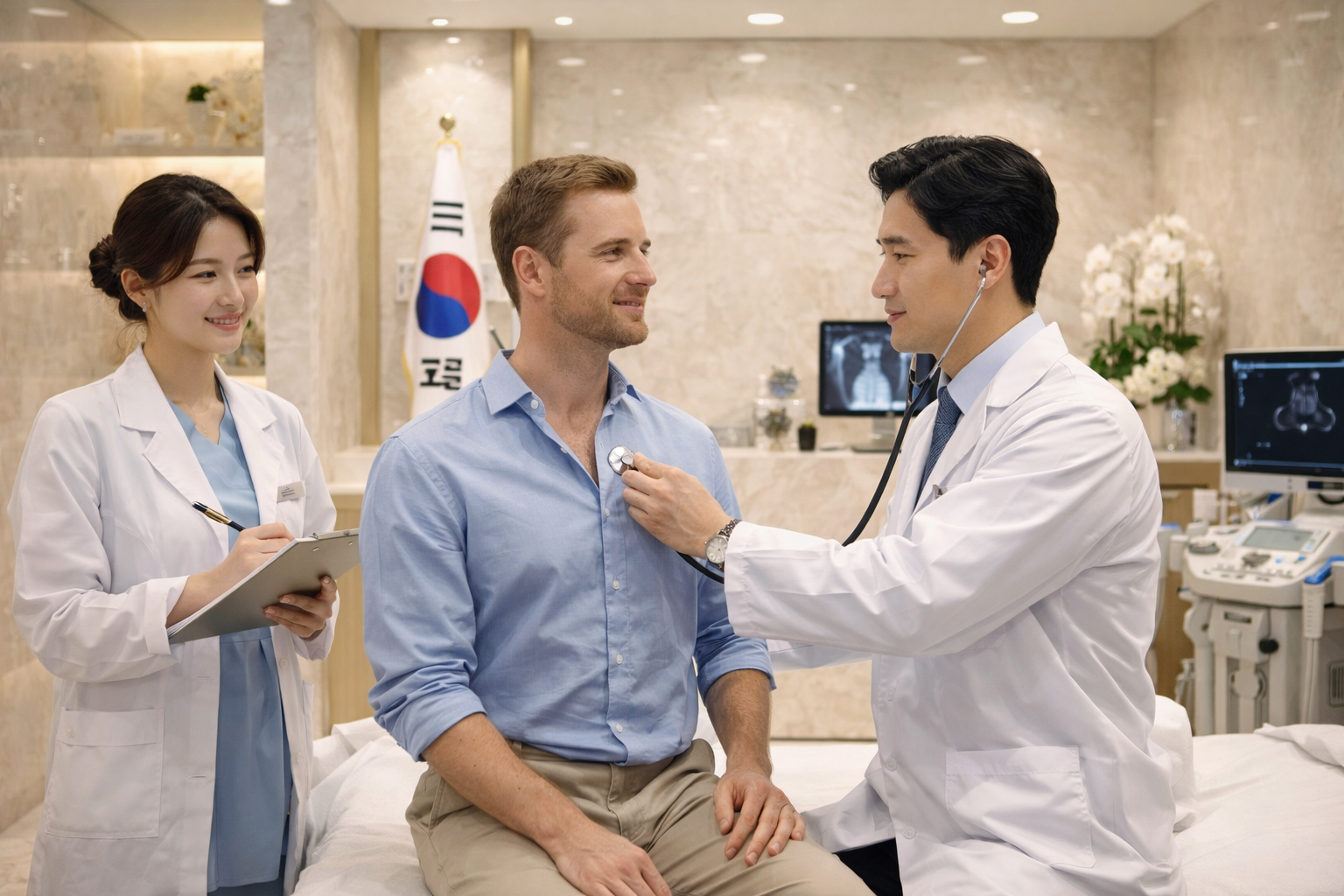
Over the past decade, South Korea has quietly positioned itself as one of the world’s most advanced destinations for preventative healthcare. With a national focus on early detection and longevity, combined with cutting-edge diagnostics and highly efficient systems, Korea now attracts over 500,000 medical tourists annually, many seeking comprehensive health screenings.
For international visitors, a medical checkup in Korea offers something rare: speed, precision, and elevated patient experience—often completed in a single day.
What Makes Korean Health Checkups Different?
Advanced Preventative Care Culture
Unlike many Western systems that prioritize treatment, Korea emphasizes early detection. Full-body screenings are routine, even for healthy individuals.
High-Tech Diagnostics
Expect access to technologies such as:
Low-dose CT scans
MRI and PET imaging
AI-assisted diagnostics
Genetic and cancer marker testing
Efficiency Without Compromise
A full executive checkup can take 3–6 hours, with results often delivered within days—or even same-day in some clinics.
What’s Included in a Typical Checkup?
Most premium health screening packages are comprehensive and customizable. A standard program typically includes:
Core Tests
Blood and urine analysis
Chest X-ray and ECG
Abdominal ultrasound
Advanced Screening
CT or MRI scans (brain, lungs, heart)
Endoscopy (gastroscopy/colonoscopy)
Cancer screening (thyroid, liver, stomach, colon)
Optional Add-ons
Genetic testing
Hormone and anti-aging panels
Dermatology and skin analysis (increasingly popular)
Top Hospitals & Clinics for Foreigners
Korea’s leading hospitals have dedicated international centers with English-speaking staff and concierge-style services.
1. Seoul National University Hospital International Healthcare Center
One of Korea’s most prestigious institutions
Offers highly personalized executive checkups
Ideal for complex or in-depth diagnostics
2. Asan Medical Center International Clinic
Korea’s largest hospital
Known for advanced imaging and specialist access
Efficient, systemized screening programs
3. Samsung Medical Center International Healthcare Center
Premium, hotel-like environment
Strong reputation in cancer screening and early detection
Popular among VIP and corporate clients
4. Chaum Life Center
A luxury wellness-focused medical center
Integrates health screening with anti-aging and lifestyle medicine
Favored by celebrities and high-net-worth travelers
Cost of Medical Checkups in Korea
Pricing varies depending on depth and facility:
Basic screening: $300 – $800
Comprehensive checkup: $1,000 – $3,000
Executive/VIP programs: $3,000 – $7,000+
Compared to the U.S. or Europe, costs are often 30–60% lower for equivalent or more advanced diagnostics.
How Foreigners Can Book a Checkup
Step-by-Step
Choose a hospital or clinic with an international center
Submit an online inquiry or email (many offer English support)
Select a package based on age, gender, and health concerns
Schedule at least 1–2 weeks in advance
What You’ll Need
Passport
Medical history (if relevant)
Interpreter request (if needed—often included)
When Is the Best Time to Do It?
Medical checkups are ideal to integrate into a wellness-focused trip to Seoul, especially:
Spring and fall (mild weather, optimal recovery)
Before starting a new fitness or lifestyle regimen
As part of an annual preventative health routine
The Viajiin Perspective
A medical checkup in Korea is no longer just clinical—it’s becoming part of a broader wellness travel experience. Many visitors now pair screenings with:
Dermatology treatments in Gangnam
Traditional Korean spa (jjimjilbang) recovery rituals
Personalized nutrition and longevity programs
For those seeking clarity, control, and a more proactive approach to health, Korea offers a uniquely refined solution—where precision medicine meets elevated care.