The Science of Collagen, Skin Aging, and Korea’s Most Advanced Regenerative Treatments
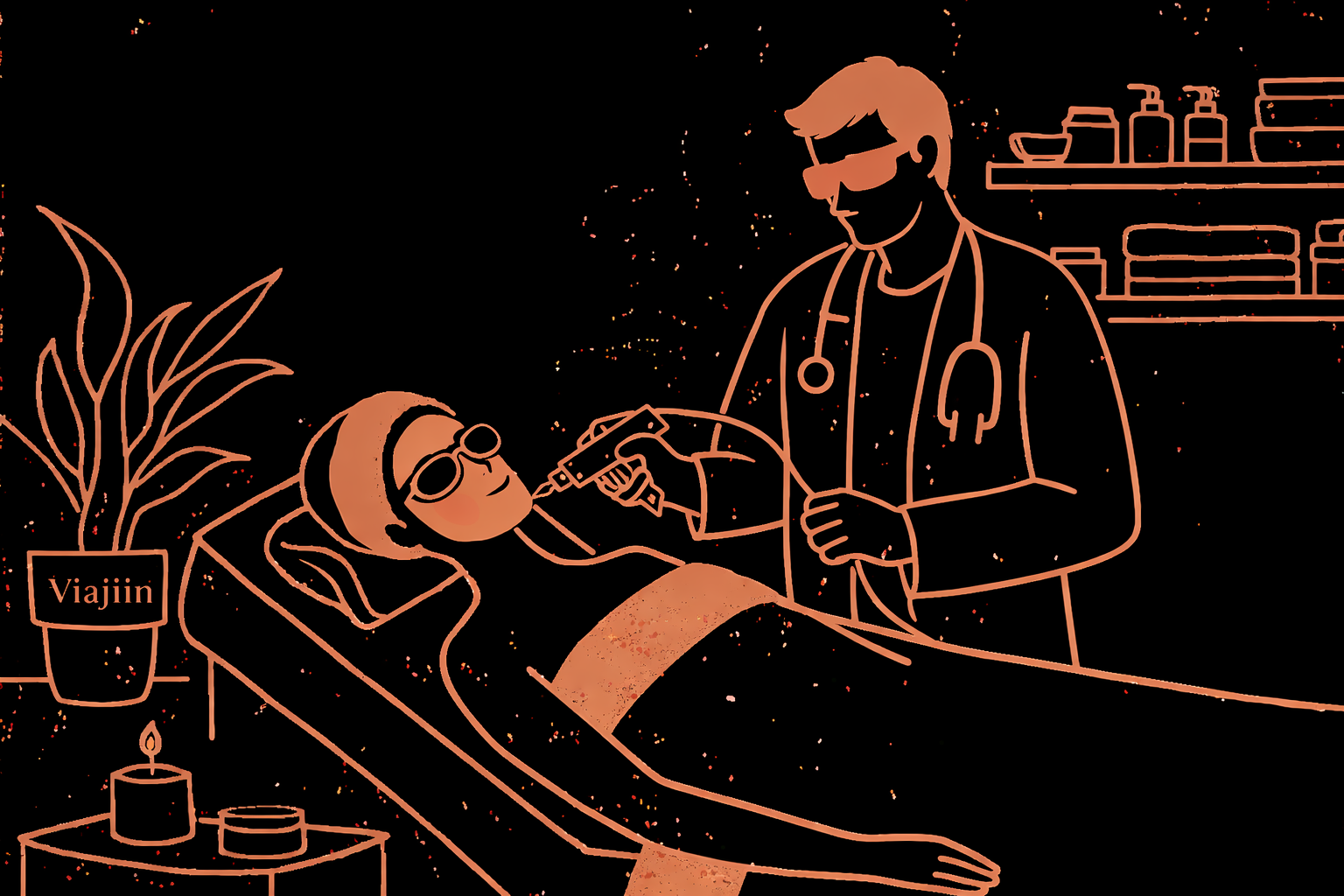
In recent years, collagen has moved from a buzzword to a central pillar of modern skincare—particularly in Korea, where dermatology and aesthetic medicine are deeply integrated into everyday wellness. With global demand for “preventative aging” rising (the global anti-aging market is projected to surpass $90 billion by 2027), Korea has positioned itself at the forefront of collagen-stimulating treatments that go beyond topical care.
Understanding how collagen works—and how Korean clinics restore it—offers a clearer path to skin that is not just youthful in appearance, but structurally healthier.
What Collagen Actually Does (and Why It Declines)
Collagen is the primary structural protein in the skin, making up nearly 75–80% of the dermis. It provides:
Firmness and elasticity
Smooth texture
Structural support for facial contours
However, collagen production begins to decline in your mid-20s, decreasing by about 1% per year. External factors accelerate this:
UV exposure (photoaging)
Pollution and oxidative stress
Lifestyle factors (sleep, diet, stress)
As collagen breaks down, skin becomes thinner, less elastic, and more prone to wrinkles and sagging.
Why Topical Collagen Isn’t Enough
Despite its popularity, applying collagen topically has limited impact. Collagen molecules are too large to penetrate deeply into the skin. Instead, effective skincare focuses on:
Stimulating your body’s own collagen production
Protecting existing collagen from degradation
This is where Korea’s dermatological treatments stand apart—they target collagen at a cellular level.
Korea’s Most Advanced Collagen-Stimulating Treatments
1. Rejuran Healer (PN Therapy)
Often referred to as a “skin healer,” Rejuran uses polynucleotides (PN) derived from salmon DNA to repair damaged skin.
How it works:
Stimulates fibroblast activity (collagen-producing cells)
Improves skin thickness and elasticity
Enhances overall skin regeneration
Best for:
Fine lines, dullness, acne scars, and compromised skin barriersWhy it’s popular in Korea:
It delivers subtle, natural improvements—aligned with Korea’s preference for “glass skin” rather than overfilled volume.
2. Ultherapy (Ultrasound Lifting)
A non-invasive lifting treatment using focused ultrasound energy to reach deep layers of the skin.
How it works:
Targets the SMAS layer (same layer addressed in surgical facelifts)
Triggers collagen remodeling over 2–3 months
Best for:
Sagging skin, jawline definition, and lifting without downtimeKey advantage:
Precision—Korean clinics often combine Ultherapy with other modalities for layered results.
3. Thermage FLX (Radiofrequency Tightening)
Thermage uses monopolar radiofrequency energy to heat the dermis and stimulate collagen contraction and renewal.
How it works:
Immediate tightening effect
Long-term collagen remodeling over 3–6 months
Best for:
Mild to moderate skin laxity and overall firmingWhy patients choose it:
It’s a one-session treatment with long-lasting results (up to a year or more).
4. Skin Boosters (Juvelook, Chanel Injection)
Skin boosters are microinjections that deliver hydrating and regenerative ingredients directly into the dermis.
Popular options in Korea:
Juvelook (collagen-stimulating hybrid filler)
Chanel Injection (NCTF 135HA)
How they work:
Improve hydration and skin density
Stimulate mild collagen production
Refine texture and radiance
Best for:
Early prevention, dehydration, and achieving the coveted “glass skin” finish
5. Laser Collagen Remodeling (Fraxel, Pico, CO2)
Laser treatments remain a cornerstone of collagen induction.
How they work:
Create controlled micro-injuries in the skin
Trigger natural healing and collagen production
Types commonly used in Korea:
Fraxel: for texture and pigmentation
Pico lasers: for tone and subtle collagen boost
CO2 laser: for deeper resurfacing
Best for:
Acne scars, uneven texture, pigmentation, and overall rejuvenation
The Korean Approach: Layered, Preventative, and Personalized
What distinguishes Korea is not just the technology—but the philosophy:
Layering treatments: Combining energy devices + injectables for synergistic collagen stimulation
Preventative timing: Starting treatments earlier (late 20s–30s)
Natural outcomes: Enhancing skin quality rather than altering facial structure
A typical Korean treatment plan might combine:
Ultherapy (deep lifting)
Rejuran (skin healing)
Skin boosters (surface hydration + glow)
This multi-layered approach targets collagen at different depths for more refined, longer-lasting results.
What This Means for You
If your goal is healthier, firmer, more radiant skin, the focus should shift from “adding” to “regenerating.” Collagen is not just about anti-aging—it’s about skin function, resilience, and long-term quality.
Korea offers some of the most advanced, nuanced approaches to this process—making it a leading destination for those seeking results that are both visible and biologically meaningful.
A Final Note from Viajiin
Navigating Korea’s dermatology landscape can be overwhelming given the sheer number of clinics and treatments available. The difference lies in thoughtful curation—choosing the right combination of procedures tailored to your skin’s current state and future goals.
Viajiin approaches this with a focus on precision, discretion, and elevated care, helping you access Korea’s most trusted clinics and treatments with clarity and confidence.
If you’re considering a collagen-focused treatment journey in Korea, the right strategy makes all the difference.