The Rise of Skin Boosters in Korea’s Beauty Landscape
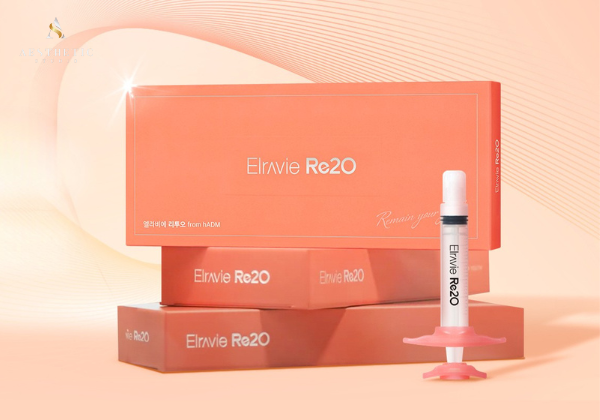
In recent years, “skin boosters” have become one of the most sought-after treatments in Korea dermatology clinics—and for good reason. As global beauty trends shift away from dramatic transformations toward subtle, preventative, and skin-quality-focused results, Korea has positioned itself at the forefront of this movement.
According to industry insights, minimally invasive aesthetic treatments in South Korea have grown steadily year over year, with a significant portion driven by demand for hydration-focused injectables and regenerative therapies. Rather than altering facial structure, today’s patients are prioritizing luminous, resilient, and naturally healthy skin—the hallmark of K-beauty.
What Are Skin Boosters?
Skin boosters are injectable treatments designed to improve overall skin quality, rather than add volume or contour like traditional fillers.
They typically work by delivering skin-rejuvenating ingredients—such as hyaluronic acid, polynucleotides, or vitamins—directly into the dermis. This stimulates hydration, collagen production, and cellular repair from within.
Key benefits include:
Deep, long-lasting hydration
Improved skin texture and elasticity
Reduction in fine lines and dullness
Enhanced “glass skin” radiance
Unlike surface-level skincare, skin boosters operate beneath the skin barrier, making them especially effective for long-term improvement.
Why Skin Boosters Are So Popular in Korea
1. A Preventative Beauty Philosophy
Korean aesthetics emphasize early intervention and maintenance over correction. Skin boosters align perfectly with this mindset—helping patients maintain youthful skin before deeper signs of aging appear.
2. The “Glass Skin” Ideal
The coveted Korean beauty standard—smooth, poreless, luminous skin—is difficult to achieve with topical products alone. Skin boosters provide the deep hydration and refinement needed to replicate this look.
3. Minimal Downtime, Maximum Impact
Most treatments require little to no downtime, making them ideal for busy urban lifestyles in cities like Seoul. Patients can often return to daily activities almost immediately.
4. Customization and Layering
Korean clinics are known for highly tailored treatment plans, often combining multiple skin boosters or pairing them with lasers and facials for synergistic results.
Types of Skin Boosters: A Curated Overview
Hyaluronic Acid (HA) Boosters
Best for: Hydration, fine lines, overall glow
These are the most common and beginner-friendly skin boosters. Hyaluronic acid attracts moisture, delivering intense hydration and plumping effects.
Popular examples in Korea include:
Rejuran HB (hydration-focused hybrid)
Juvederm Volite
Polynucleotide (PN) / Salmon DNA Boosters
Best for: Skin repair, elasticity, acne scars
Derived from salmon DNA, these boosters (like Rejuran Healer) are iconic in Korea. They work by stimulating tissue regeneration and improving skin resilience.
They’re especially favored for:
Sensitive or damaged skin
Post-acne recovery
Anti-aging with a natural finish
The Viajiin Perspective
In Korea, Ultherapy is not viewed as a one-time fix—but as part of a long-term skin architecture strategy. When performed by experienced dermatologists, it becomes a powerful tool for maintaining structure, not just correcting it.
For travelers and global patients exploring Korean dermatology and wellness treatments, Ultherapy represents one of the most reliable entry points: clinically proven, culturally aligned, and quietly transformative.
Biostimulatory Boosters (Collagen Stimulators)
Best for: Firmness, long-term anti-aging
These treatments stimulate your body’s own collagen production over time. Unlike HA, results appear gradually but last longer.
Common options:
Sculptra
Radiesse (used in diluted “skin booster” techniques)
Exosome & Regenerative Boosters
Best for: Advanced skin rejuvenation, inflammation reduction
One of the newest categories, exosome-based boosters use cell-derived signaling molecules to accelerate healing and improve skin quality at a cellular level.
These are often recommended for:
Post-laser recovery
Chronic skin sensitivity
Overall skin revitalization
What to Expect from Treatment
A typical skin booster session in Korea:
Takes 20–40 minutes
May involve microinjections across the face
Has minimal downtime (slight redness or bumps for 1–2 days)
For optimal results, clinics often recommend a series of 3–4 sessions spaced a few weeks apart.