Bukchon Hanok Village: Where Seoul’s Past Meets Its Most Refined Present
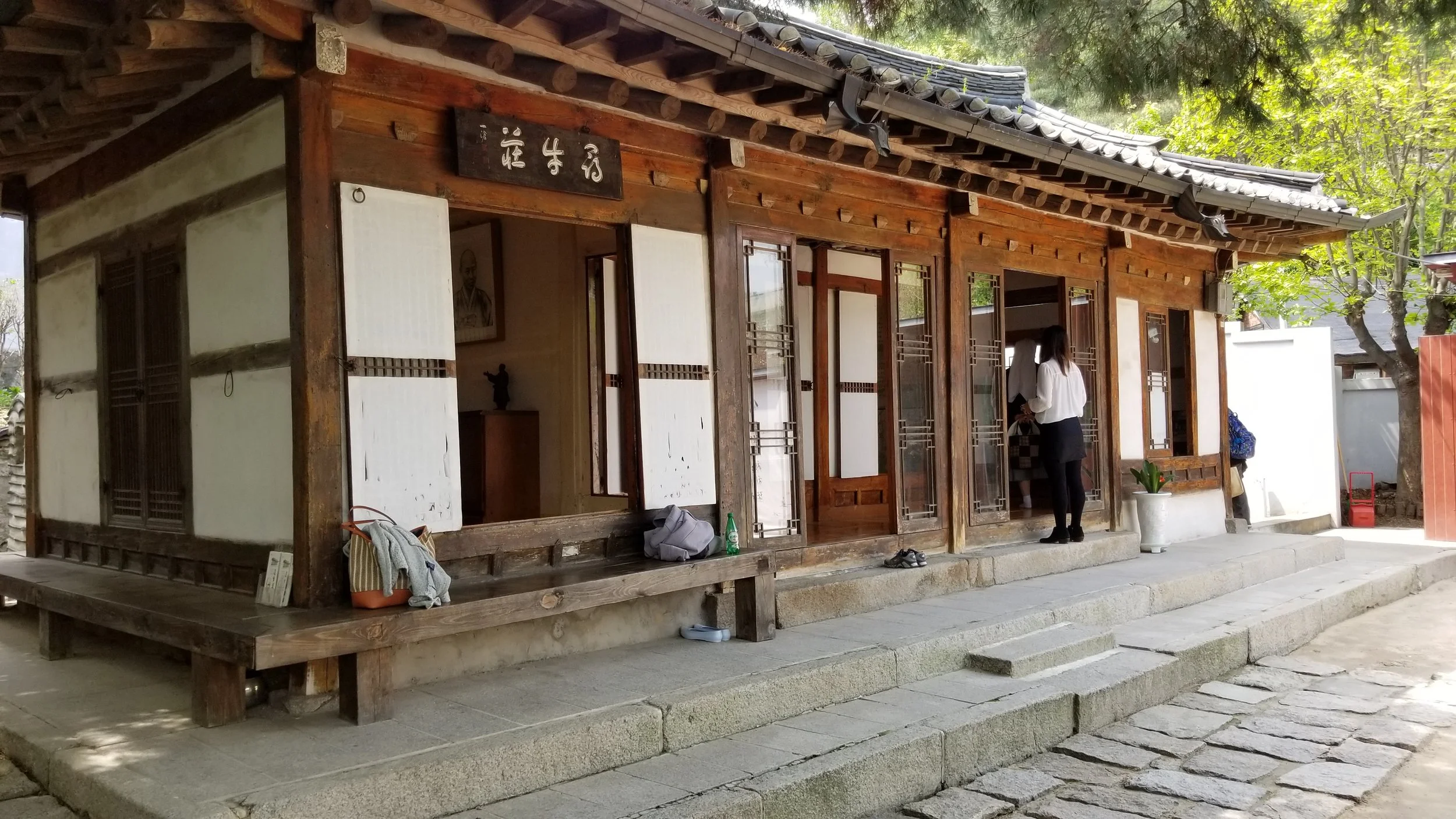
In a city defined by rapid innovation and architectural ambition, Bukchon Hanok Village (북촌 한옥마을) offers a rare counterpoint—an immersive return to Korea’s living heritage. As global interest in Korean culture, wellness travel, and slow tourism continues to rise, Bukchon has emerged as one of Seoul’s most meaningful cultural destinations.
Located between Gyeongbokgung Palace and Changdeokgung Palace, this historic neighborhood preserves over 900 traditional hanok homes, many dating back to the Joseon Dynasty. According to the Seoul Metropolitan Government, Bukchon attracts millions of visitors annually, reflecting a broader shift toward experience-driven travel rooted in authenticity and design heritage.
What to Experience in Bukchon
1. Bukchon 8 Views (북촌 8경)
The “Bukchon 8 Views” are carefully designated vantage points showcasing the village’s most photogenic perspectives. Each viewpoint captures a unique dialogue between traditional rooftops and Seoul’s modern skyline—a visual metaphor for Korea’s dual identity.
2. Hanok Stay & Cultural Programs
For a deeper experience, consider a hanok stay, where guests can sleep on futons over heated floors and participate in cultural programs such as:
Traditional tea ceremonies
Calligraphy and craft workshops
Korean etiquette and meditation sessions
This aligns closely with the growing demand for wellness travel in Korea, where rest, ritual, and cultural immersion intersect.
3. Art Galleries, Boutiques & Tea Houses
Bukchon has evolved into a curated cultural district, home to:
Independent galleries showcasing contemporary Korean artists
Design-forward boutiques featuring artisanal crafts
Elegant tea houses blending tradition with modern sensibility
These spaces reflect Korea’s ability to reinterpret heritage through a contemporary lens, making Bukchon especially appealing to global travelers seeking elevated, design-driven experiences.
When to Visit: Timing Your Experience
Bukchon is beautiful year-round, but each season offers a distinct atmosphere:
Spring (April–May): Cherry blossoms soften the village’s architectural lines
Autumn (October–November): Warm foliage enhances the earthy tones of hanok roofs
Early morning visits: Recommended for a quieter, more respectful experience
As Bukchon remains a residential area, visitors are encouraged to practice quiet tourism—a growing movement in Korea emphasizing mindful, low-impact travel.
Practical Tips for Visiting Bukchon
Dress thoughtfully: Renting a hanbok enhances the cultural experience and allows access to nearby palaces
Respect local residents: Keep noise levels low and avoid entering private homes
Explore beyond the main streets: The quieter alleys often reveal the most authentic charm
Pair your visit with nearby cultural landmarks like Gyeongbokgung Palace or the National Folk Museum
Why Bukchon Matters Today
In an era where travel is increasingly defined by depth over speed, Bukchon Hanok Village stands as a model for meaningful exploration. It is not simply a place to see—it is a place to understand.
Here, architecture becomes wellness. Design becomes philosophy. And tradition becomes a living, breathing part of modern Seoul.
The Viajiin Perspective
At Viajiin, we view Bukchon not as a tourist destination, but as an essential chapter in understanding Korea’s approach to beauty, balance, and longevity. Whether paired with a dermatology-focused journey in Seoul or integrated into a broader wellness itinerary, Bukchon offers a grounding experience—one that connects aesthetics with intention.
For travelers seeking a more refined and insightful approach to Korea, Bukchon is where that journey begins.