Botox, Fillers & Skin Boosters in Korea
(2026 Guide)
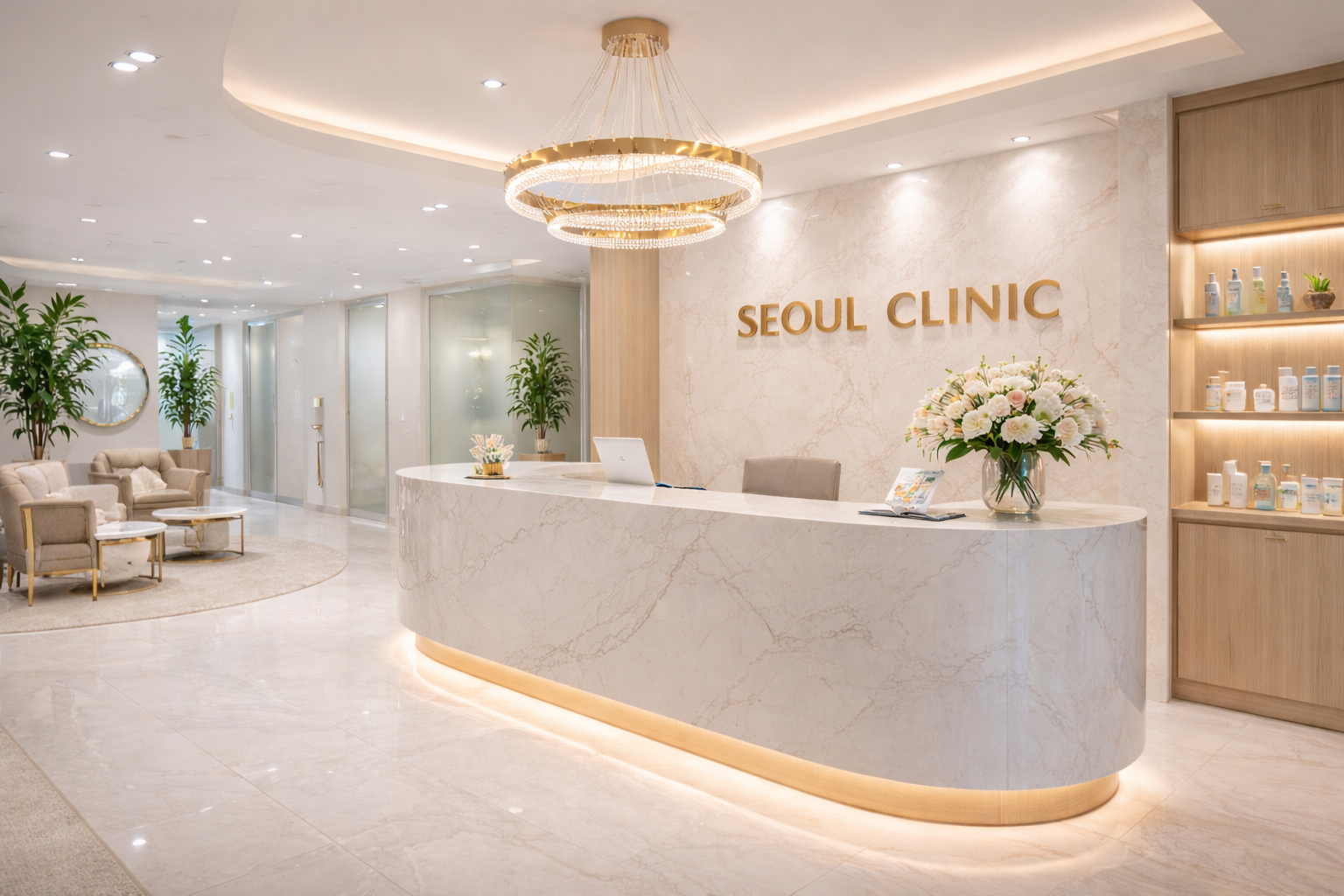
South Korea continues to define the global standard for non-surgical aesthetic treatments—and in 2026, the landscape is more sophisticated than ever. With over 1.2 million minimally invasive procedures performed annually in Korea, demand is being driven not just by beauty trends, but by a cultural shift toward preventative aging and skin quality optimization.
What sets Korea apart is its precision: treatments are highly customized, pricing remains competitive, and techniques evolve rapidly—often years ahead of Western markets.
This guide breaks down what you need to know about Botox, fillers, and skin boosters in Korea today—what they do, how they differ, and how to choose the right approach.
Understanding the Korean Approach to Aesthetics
In Korea, the goal is rarely dramatic transformation. Instead, clinics focus on:
Subtle enhancement (often called “invisible work”)
Skin quality over volume
Preventative treatments starting in the mid-20s
Frequent, low-dose maintenance rather than infrequent major procedures
This philosophy shapes how Botox, fillers, and skin boosters are used—and often combined.
Botox in Korea: Micro-Dosing & Facial Balance
What’s Different in Korea?
Botox (commonly called “Botox” regardless of brand) is used more delicately:
Micro-dosing (“Baby Botox”) for natural movement
Masseter reduction for a slimmer jawline (extremely popular in Korea)
Preventative forehead and eye treatments starting earlier
Common Treatment Areas
Jawline (V-line slimming)
Forehead & glabella (frown lines)
Crow’s feet
Shoulder Botox (for trapezius slimming)
Typical Pricing (2026)
Masseter Botox: $50–$150
Forehead/eyes: $30–$100 per area
What to Know
Effects last 3–6 months
Korean brands (e.g., Nabota, Botulax) are widely used and FDA-approved in many markets
Technique matters more than brand—choose experienced injectors
Dermal Fillers: Structure, Not Volume
The Korean Philosophy
Unlike Western trends that emphasize volume, Korean filler techniques focus on:
Structural balance
Facial harmony
Minimal, strategic placement
Popular Areas
Chin (for V-line contouring)
Nose bridge (non-surgical rhinoplasty)
Under-eyes (tear trough correction)
Lips (very subtle enhancement)
Typical Pricing (2026)
$150–$400 per syringe (depending on brand and clinic tier)
What to Know
Hyaluronic acid fillers dominate (reversible and safer)
Results last 6–18 months
Overfilling is avoided—expect refinement, not dramatic change
Skin Boosters: Korea’s Signature Treatment Category
If there’s one category where Korea leads globally, it’s skin boosters.
What Are Skin Boosters?
Injectable treatments designed to improve:
Hydration
Skin texture
Elasticity
Overall radiance (“glass skin” effect)
Rather than altering shape, they improve skin quality at a cellular level.
Most Popular Skin Boosters in 2026
Rejuran Healer (salmon DNA / PDRN for repair)
Juvelook (collagen-stimulating hybrid filler-booster)
Chanel Injection (multi-vitamin mesotherapy)
Exosome therapy (cutting-edge regenerative treatment)
Typical Pricing
$150–$600 per session depending on product
Packages (3–4 sessions) are common
What to Know
Requires multiple sessions for best results
Minimal downtime but possible redness/bruising
Results are cumulative and subtle—but transformative over time
Botox vs Fillers vs Skin Boosters: What You Actually Need
Choose Botox if you want to:
Reduce muscle movement (wrinkles, jaw slimming)
Prevent expression lines early
Achieve a slimmer lower face
Choose Fillers if you want to:
Improve facial proportions
Add subtle structure (chin, nose, under-eyes)
Correct volume loss
Choose Skin Boosters if you want to:
Improve skin texture and glow
Hydrate deeply
Invest in long-term skin health
In Korea, most patients combine all three—but in small, strategic amounts.
How to Choose a Clinic in Korea
The quality gap between clinics can be significant. Prioritize:
Board-certified dermatologists or plastic surgeons
Transparent pricing (avoid aggressive upselling)
Strong portfolio of natural-looking results
Clinics specializing in foreigners (for communication clarity)
Areas like Gangnam and Apgujeong in Seoul remain the epicenter of high-end aesthetic clinics.
2026 Trends to Watch
Ultra-low dose injectables for “undetectable” results
Combination protocols (Botox + boosters + devices like Ultherapy)
Growth of regenerative treatments (exosomes, PN, stem-cell-based approaches)
Increasing demand from international patients seeking “Korean natural aesthetics”
Final Word: The Viajiin Perspective
Korea’s injectable treatments are not about doing more—they’re about doing just enough, exceptionally well.
For discerning travelers and beauty-conscious individuals, the opportunity isn’t simply affordability—it’s access to a more advanced, nuanced philosophy of aging and skin health.
At Viajiin, we recommend approaching these treatments as part of a broader wellness strategy—one that prioritizes long-term skin integrity, expert technique, and refined, natural results.
If you’re considering treatments in Korea, the most important decision isn’t which product—it’s who is performing it, and how thoughtfully it’s done.